
Beginner’s mind: Why “advanced” Yin yoga isn’t what you think
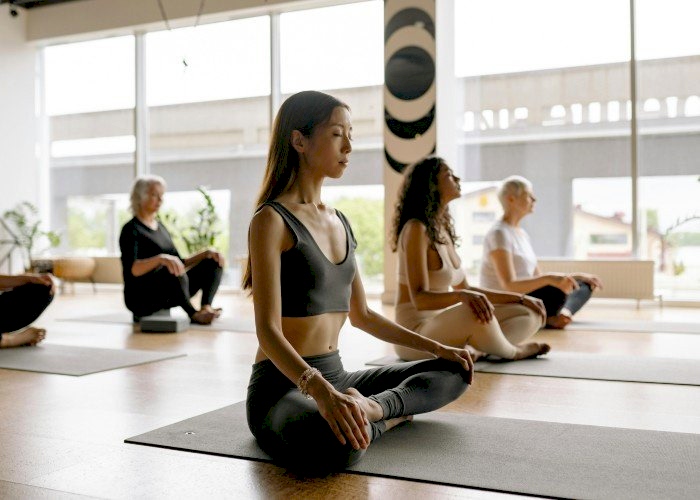
Beginner’s mind is one of the most misunderstood – and most powerful – ideas in yoga. There’s a long-held truth in Yin yoga that can feel a bit uncomfortable to hear at first: less really is more. And nowhere does this land more clearly than when people start asking about beginners vs advanced Yin.
I hear it a lot here at SPACE:
- “Is this class suitable for beginners?”
- “Do you offer advanced Yin?”
- “I’ve been practising for years – is this too basic for me?”
Totally fair questions. We’re conditioned to think that progression means more: more poses, deeper stretches, longer classes, stronger sensations. But Yin yoga quietly flips that whole idea on its head. And in doing so, it teaches us one of the most valuable lessons yoga has to offer: the power of beginner’s mind.
So, let’s explore what “advanced” actually means in Yin yoga, why beginner’s mind is at the heart of the practice, and why the most profound yoga for advanced practitioners often looks deceptively simple.
What do we really mean by “advanced” Yin yoga?
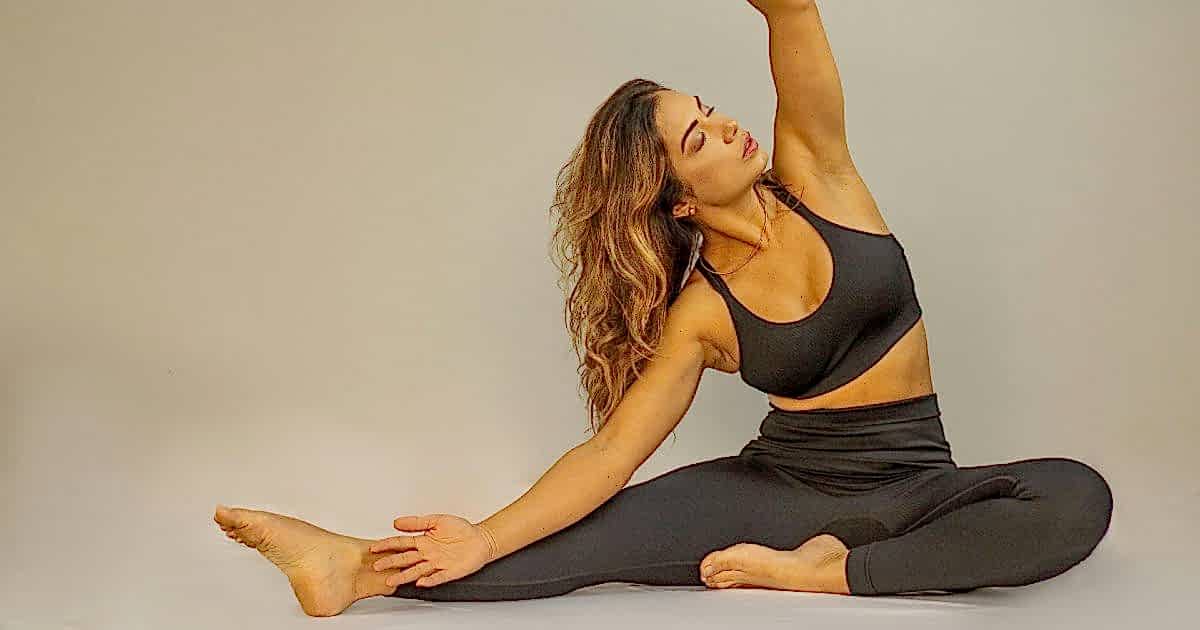
In many styles of yoga, “advanced” tends to mean physically demanding. Arm balances, deep backbends, fancy transitions. There’s a visible sense of achievement. You can see it. You can photograph it. You can tick it off a mental list.
Yin yoga doesn’t play that game.
In fact, if we were truly honest about what an “advanced” Yin class might look like, it would probably involve:
- One single pose
- Held for a long time
- In a cold room
- With no music
- No poetry
- No guided breathing
- No meditation cues
- No “entertainment” at all
Just you, your body, your mind… and whatever shows up.
And let’s be real – we probably wouldn’t get many takers for that class!
Not because it isn’t powerful, but because it strips everything back. It asks us to meet ourselves without distraction. And that’s where Yin yoga quietly becomes yoga for advanced practitioners – not through complexity, but through simplicity.
Why Yin yoga keeps bringing us back to beginner’s mind
The concept of beginner’s mind comes from Zen Buddhism, and it’s beautifully simple. It means approaching each moment as if it’s your first time. Open, curious, free from assumptions. No “I already know this”. No “I should be better at this by now”.
In Yin yoga, beginner’s mind isn’t just helpful; it’s essential.
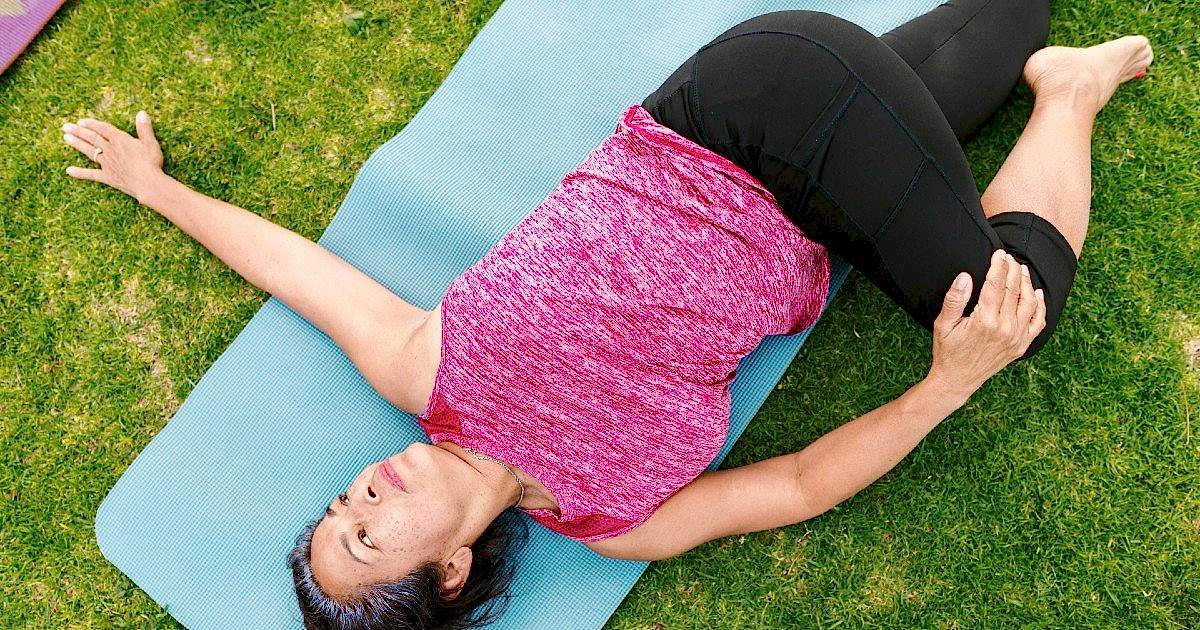
Your body is different every single day. Your nervous system changes. Your emotional landscape shifts. What you felt in a pose last week has very little relevance to what you’ll feel today. When we practise with beginner’s mind, we stop chasing past experiences and start listening to what’s actually happening now.
Ironically, the longer you practise Yin, the more you realise how much you don’t know. And that’s a sign you’re doing it right.
“But I’m not a beginner…”
Here’s where things get interesting.
People often assume that beginner’s mind is only for beginners. But in truth, it’s the most advanced attitude you can bring to your practice.
If you’ve been practising for years and still:
- Meet each pose without expectation
- Stay curious rather than judgemental
- Listen instead of forcing
- Allow sensation without needing to change it
Then you’re embodying beginner’s mind in a very real, lived way.
On the flip side, someone brand new to Yin yoga might already be thinking, “Am I doing this right?” or “I’m not flexible enough for this,” or “Everyone else looks more comfortable than me.” That’s not beginner’s mind – that’s the mind already full.
So, being “advanced” has far less to do with how long you’ve practised, and far more to do with how you practise.
The subtle challenge of doing less
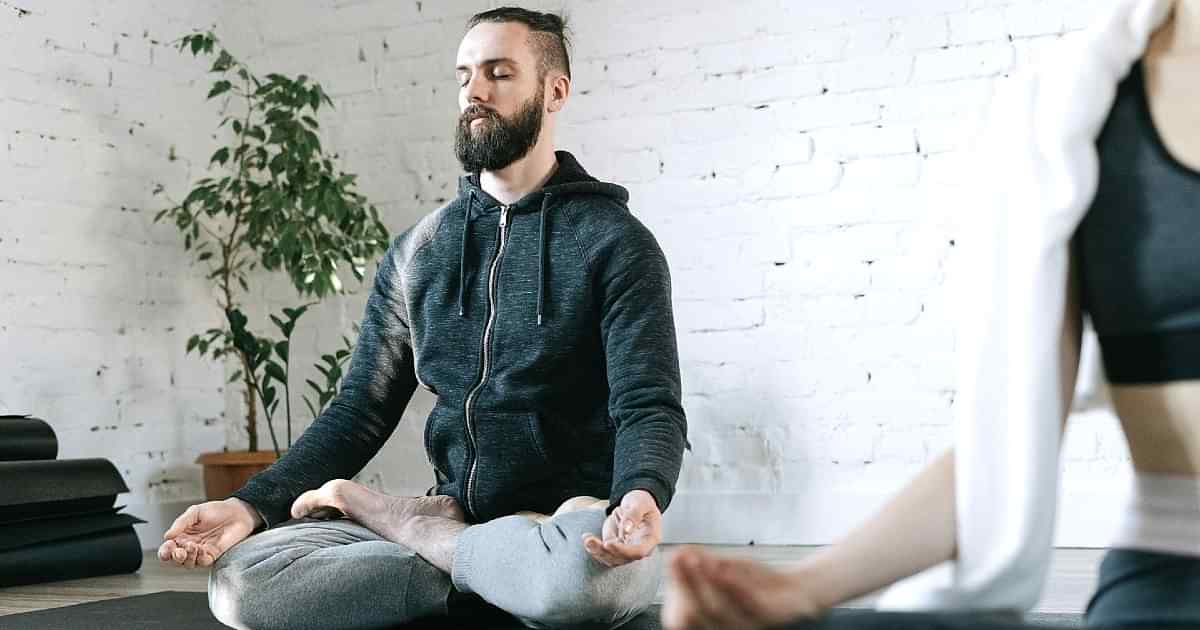
Yin yoga looks simple. But staying still isn’t easy.
Holding a pose for several minutes with minimal external stimulation brings up all sorts of things: restlessness, boredom, irritation, self-criticism, comparison. This is where Yin becomes quietly profound.
An “advanced” Yin practitioner isn’t the one who folds deepest into the shape. It’s the one who notices:
- When impatience arises
- When the urge to fidget appears
- When the mind wants to escape
- When irritation towards others pops up
And instead of reacting, they observe.
This is beginner’s mind in action. Seeing things as they are, without immediately trying to fix or judge them.
This is also where Yin yoga becomes deeply relevant off the mat.
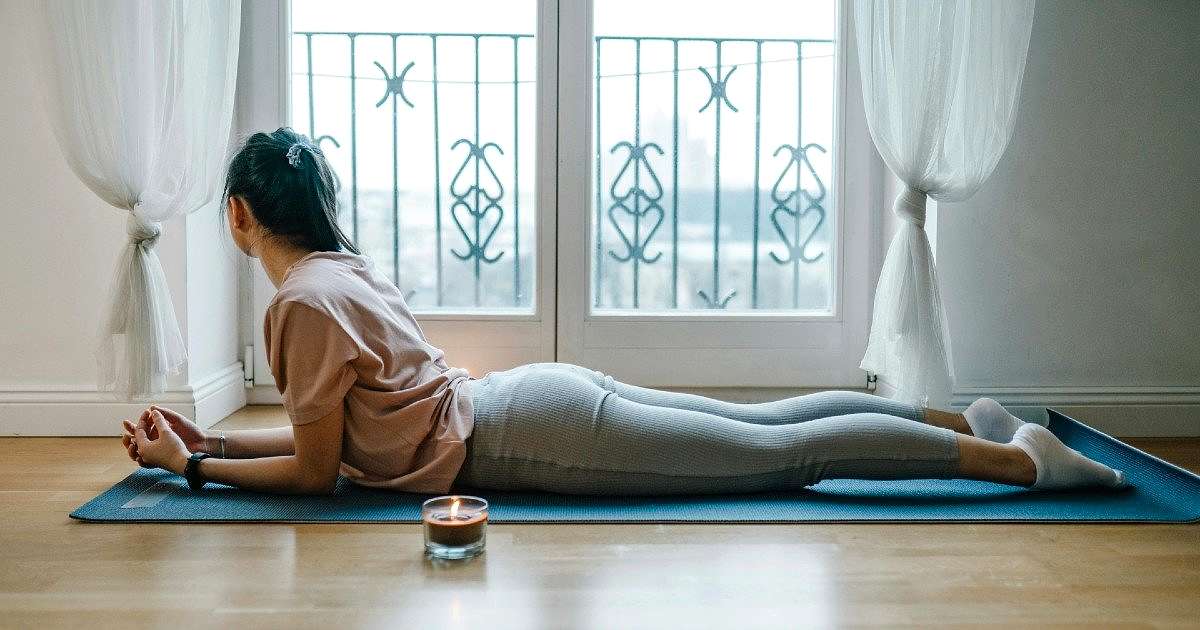
Taking Yin yoga beyond the physical
One of the biggest misunderstandings about yoga for advanced practitioners is that it’s all about the body. Yin, and the 8 limbs of yoga, gently remind us that yoga is actually about how we live.
Ask yourself:
- Have you started to notice your habitual patterns more clearly?
- Are you catching yourself before reacting automatically?
- Do you recognise when you’re gripping – physically or emotionally – and can you soften?
- Are you less bothered by what others are doing in class… or in life?
These are subtle shifts. They don’t look impressive. But they’re deeply transformative.
This is where Yin yoga quietly supports spiritual growth without needing to be overly “spiritual” about it. It’s grounded, embodied and practical. And it all begins with beginner’s mind – again and again.
Why “advanced” classes can miss the point
Sometimes people ask for advanced Yin classes because they’re worried they’ll be bored. Or that a class labelled “open level” won’t challenge them.
But the challenge in Yin isn’t about complexity. It’s about presence.
Adding more poses, more cues, more layers can actually pull us away from the essence of the practice. It can become something to consume rather than something to experience.
A truly skilful Yin practice invites you to stay with less. To feel more by doing less. To notice the mind’s resistance and meet it with curiosity – with beginner’s mind.
That’s why at SPACE, our Yin classes aren’t divided into beginner and advanced in the traditional sense. Because the practice meets you exactly where you are.
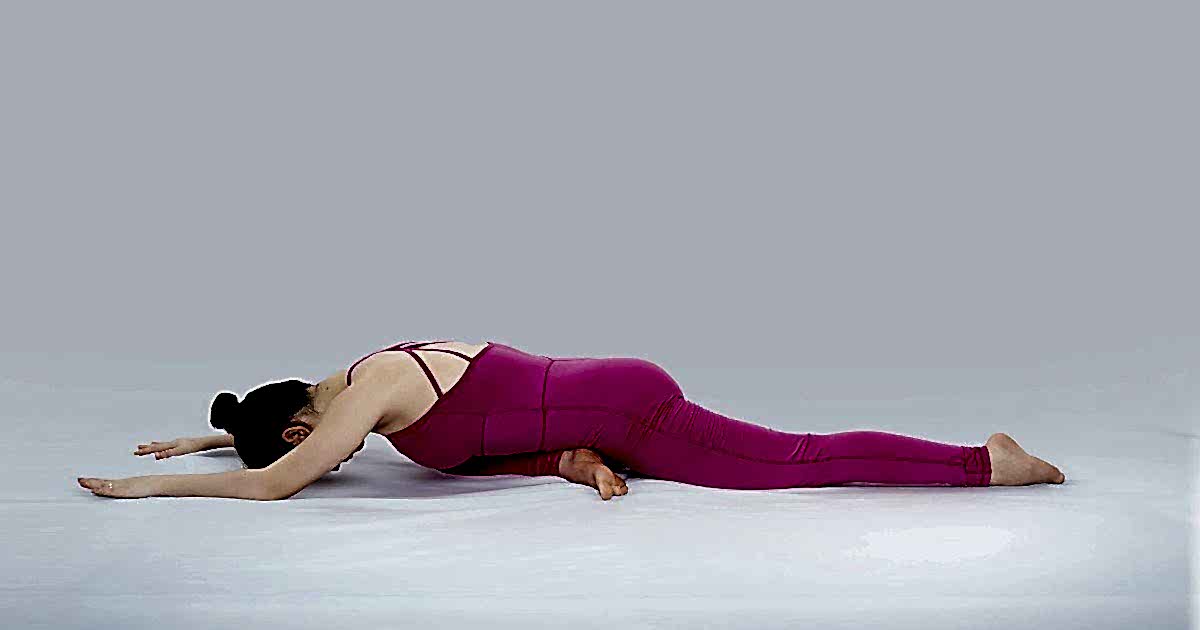
Practising Yin yoga with beginner’s mind (wherever you are)
Whether you’re brand new to Yin or you’ve been practising for years, here are a few gentle reminders you can bring into your next class:
- Enter each pose as if you’ve never been there before
- Let go of how you think the pose should feel
- Resist the urge to compare today with yesterday
- Notice your reactions without getting caught up in them
- Allow discomfort without drama
- Allow ease without clinging to it
This is beginner’s mind. Simple. Honest. Alive.
And yes, it’s absolutely yoga for advanced practitioners too.
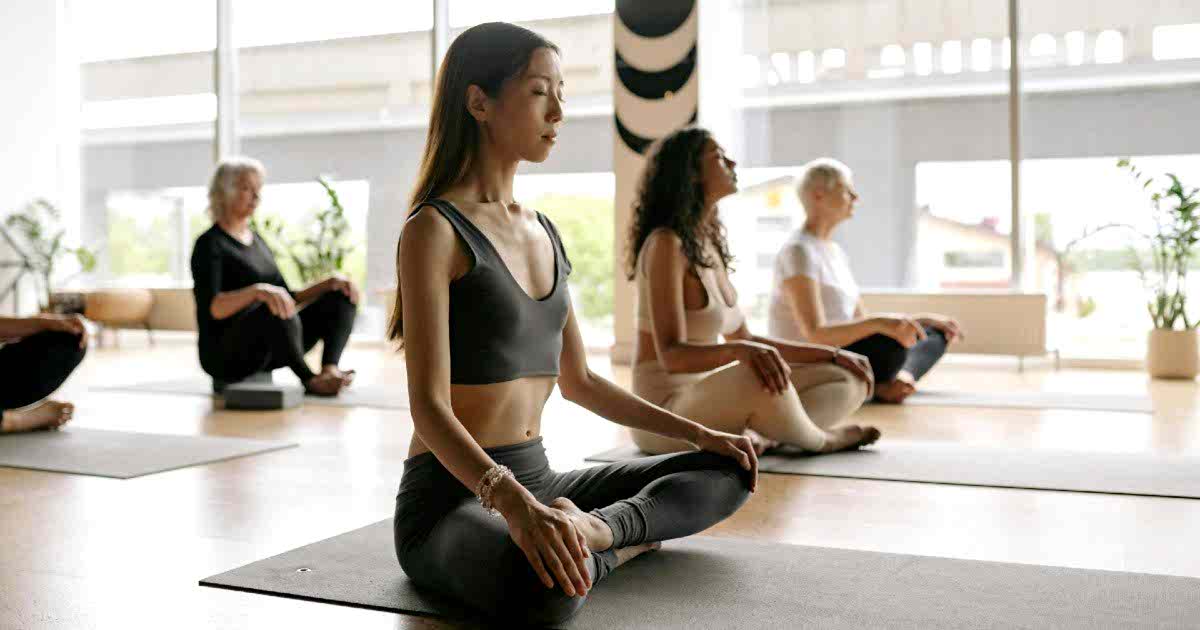
So… is Yin yoga for beginners or advanced students?
The honest answer?
Both. And neither.
Yin yoga isn’t about levels. It’s about willingness. Willingness to slow down. To feel. To listen. To stay present when the mind would rather be anywhere else.
If you can approach your mat with beginner’s mind, then you’re already practising at a deeply advanced level – regardless of how long you’ve been doing yoga.
And if you ever find yourself thinking, “This feels too simple,” that might just be your invitation to lean in a little closer. Because sometimes, the simplest practices ask the most of us.
Less effort. Less striving. Less noise.
More awareness. More honesty. More space.
And that, in the world of Yin yoga, is where the real magic lives.